




Leetcode/Algo Prep
Personalised algorithm problems. Ace progressive leetcode challenges based on your implementation skills and pass with confidence. It's about pattern matching, not rocket science.

Best-in-class toolkit to beat your competition


Best-in-class toolkit to beat your competition
const prep = "leetcode";
await runPractice(prep);
// Placeholder preview — product demo coming soon
> Generate interview prep plan|
Personalised algorithm problems. Ace progressive leetcode challenges based on your implementation skills and pass with confidence. It's about pattern matching, not rocket science.
Know what you are talking about and be able to drop down from high-level discussions to low-level. Test (and improve) your understanding of important concepts and theory.
Browse all software development, tech sales and product manager roles across all industries, globally — plus get personalised weekly job alerts matched to your resume.


Tech Job Finder · 3 days ago
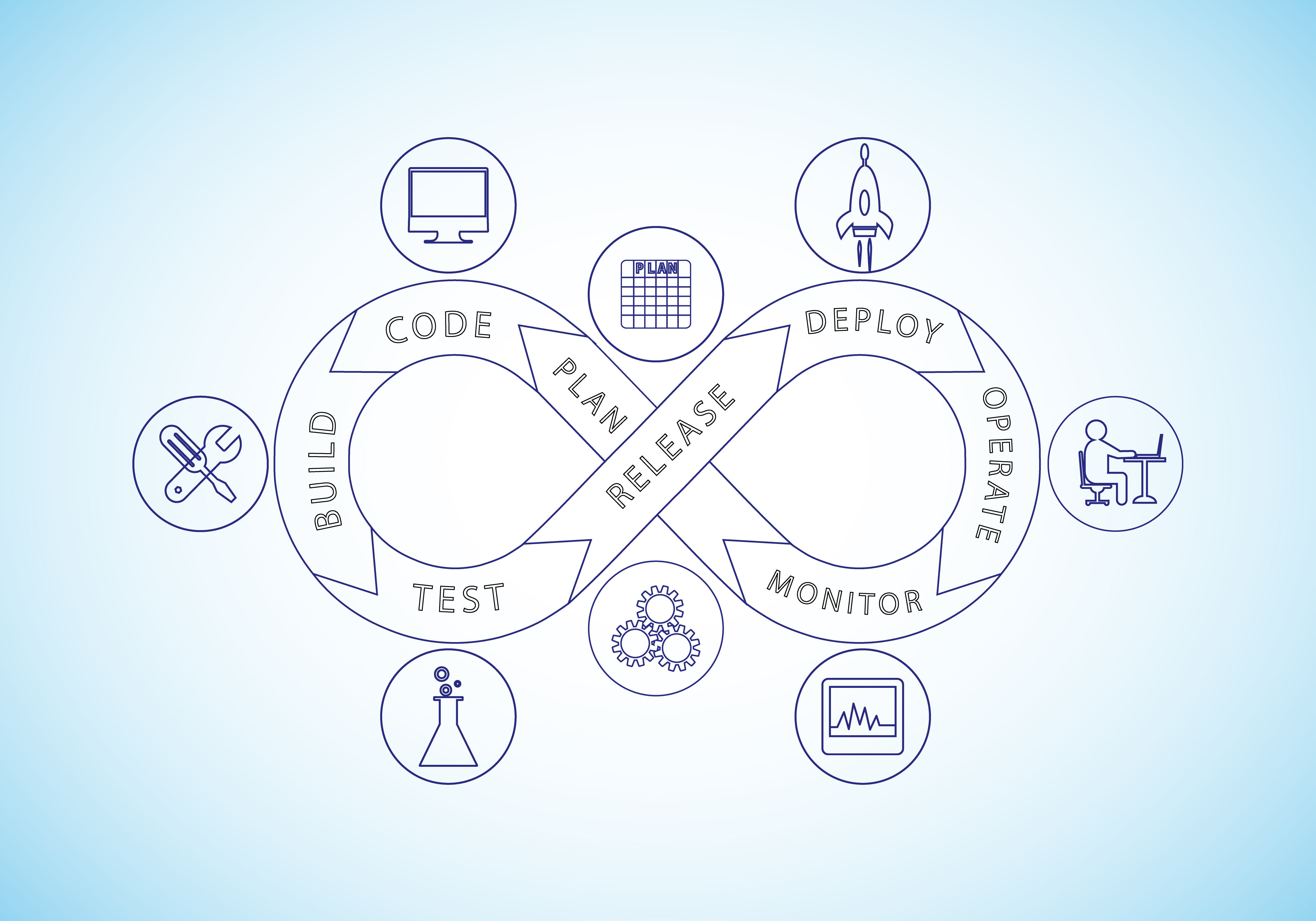
Agentic AI represents a transformative leap in DevOps practices. Unlike traditional generative AI that produces code or suggestions on demand, agentic AI systems are autonomous agents capable of observing environments, reasoning through problems, planning multi-step actions, and executing them with minimal human intervention. These agents integrate deeply with tools like CI/CD pipelines, infrastructure-as-code (IaC), monitoring platforms, and version control systems, turning reactive operations into proactive, self-healing workflows. As of 2026, organizations adopting agentic AI in DevOps report significant gains: reduced mean time to recovery (MTTR) by up to 75%, faster deployment cycles, and engineers freed from toil to focus on strategic innovation. This article explores the best real-world use cases, drawing from tools like GitHub Copilot Agents, AWS DevOps Agent, Harness AI, and open-source frameworks.

Tech Job Finder · 3 days ago
In the rapidly evolving landscape of artificial intelligence, few projects have captured the imagination of developers, enthusiasts, and everyday users quite like OpenClaw. Launched in late 2025, this open-source autonomous AI agent has exploded in popularity, amassing hundreds of thousands of GitHub stars in record time and sparking a wave of community contributions. Often described as "the AI that actually does things," OpenClaw represents a shift from passive chatbots to proactive, task-executing personal assistants that run on your own hardware. At its core, OpenClaw is a self-hosted gateway that bridges large language models (LLMs) with real-world actions. Unlike traditional AI interfaces confined to web browsers, OpenClaw operates locally on macOS, Linux, or Windows machines. It communicates primarily through familiar messaging platforms such as WhatsApp, Telegram, Discord, Slack, Signal, and more. Users interact with it via chat, issuing commands that the agent can interpret, plan, and execute autonomously—whether that's clearing an inbox, scheduling appointments, checking flight status, or even running shell commands on the host system.

Tech Job Finder · 3 months ago
Databricks has become one of the most influential platforms in the modern data and AI landscape. As organizations grapple with exploding data volumes, the demand for real-time analytics, and the rush to deploy generative AI, Databricks stands out as a comprehensive solution that simplifies complexity while delivering enterprise-grade performance.

Tech Job Finder · 3 days ago
In a striking reversal that underscores the unpredictable economics of generative AI, Microsoft has begun canceling internal licenses for Anthropic’s Claude Code across key engineering teams. The decision, first reported in mid-May 2026, affects thousands of developers in the company’s Experiences and Devices division — responsible for Windows, Microsoft 365, Teams, Outlook, and Surface hardware. Licenses will largely expire on June 30, 2026, the end of Microsoft’s fiscal year, with engineers directed to shift to GitHub Copilot CLI instead. What makes this move notable is not just the vendor switch but the explicit driver: runaway token costs. A tool that had become wildly popular among Microsoft’s own developers proved too expensive at scale, even for one of the world’s wealthiest technology companies. The episode highlights a growing tension in enterprise AI adoption — the gap between the promise of transformative productivity and the harsh reality of usage-based pricing.

Tech Job Finder · 3 days ago
In the spring of 2026, a new buzzword exploded across Silicon Valley: tokenmaxxing. At companies like Meta, engineers competed on internal leaderboards for titles such as “Token Legend” or “Session Immortal” by burning through billions of AI tokens. One top contender reportedly processed over 281 billion tokens in a single month. What started as an informal dashboard called “Claudeonomics” quickly became a cultural phenomenon — and a cautionary tale about how companies attempt to quantify productivity in the age of generative AI. Tokenmaxxing refers to the practice of deliberately maximizing the consumption of AI tokens — the basic units that large language models (LLMs) use to process and generate text — as a proxy for productivity and AI fluency. One token roughly equals four characters of text. Companies and individuals began treating high token usage as evidence of deep engagement with powerful AI tools like Claude, GPT models, or agentic workflows.

Tech Job Finder · 3 days ago
In the fast-paced world of JavaScript development, few libraries are as ubiquitous as Axios. With over 100 million weekly downloads, this promise-based HTTP client has become a cornerstone for making API requests in both browser and Node.js environments. Developers rely on it for its simplicity, interceptors, and cross-platform compatibility. But on March 31, 2026, that trust was shattered when attackers executed one of the most significant supply chain attacks in recent npm history. Malicious versions of Axios were published, silently delivering a cross-platform Remote Access Trojan (RAT) to thousands of systems.